Sustainable Interior Refurbishment Cambridge
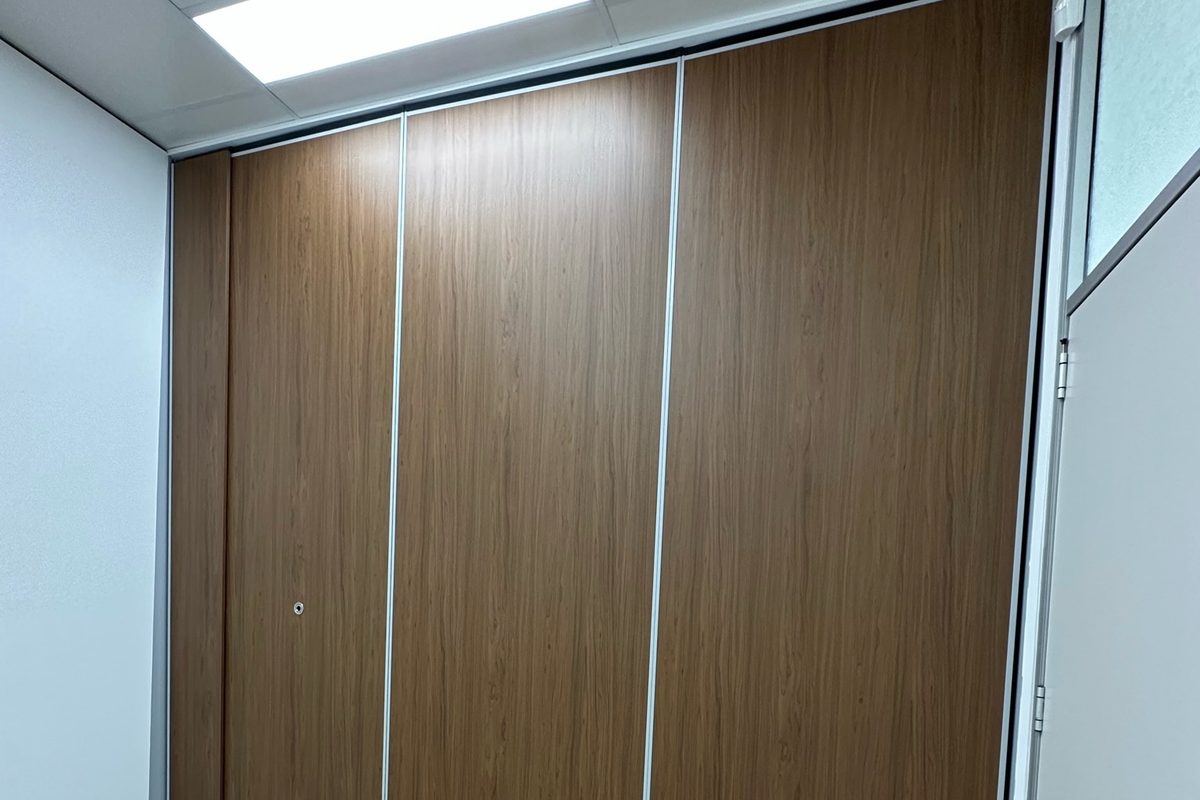
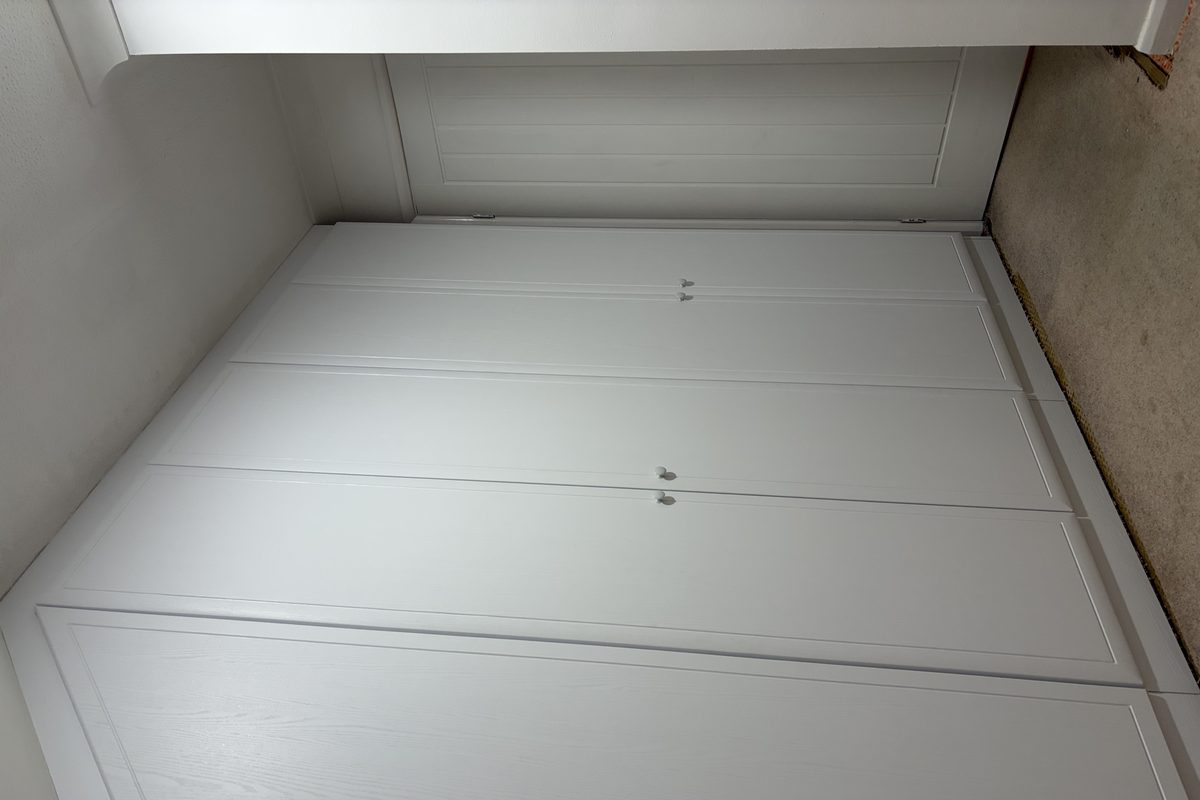
Replacing a kitchen, office fit-out, wardrobes or doors sends usable materials to landfill and repeats the full carbon cost of manufacturing everything again. Architectural film — also known as vinyl wrap or interior wrapping — resurfaces what's already there, keeping structurally sound cabinets, doors, desks and panels in use for another decade. Paired with solar control film to cut solar heat gain, it's one of the most measurable sustainability improvements available for a Cambridge home or business.
Why refurbishment beats replacement
The waste hierarchy used across the construction and furniture industries ranks options in order of environmental impact: reduce first, then reuse, then recycle, then recover energy, with disposal to landfill as the last resort. Recycling still needs fresh energy to break a material down and remanufacture it into something new. Reuse — keeping the thing you already have in service — avoids that cost entirely.
Architectural film wrapping sits squarely in the reuse tier. Instead of ripping out cabinet doors, desks, wardrobes or panelling and sending them to landfill or a recycling stream, wrapping resurfaces the existing substrate in place. The core material, and all the embodied carbon that went into extracting, manufacturing and transporting it the first time, stays exactly where it is. Only a thin layer of film is added.
Independent circularity research on office and commercial refurbishment puts the difference in stark terms: refurbishing existing furniture and fit-out surfaces rather than replacing them can cut embodied carbon by as much as 80% compared with buying new. On a whole-building refurbishment or fit-out, furniture and surfaces are often the single largest contributor to embodied carbon in the project, so this is not a marginal saving.
This is also how the film manufacturers themselves position the product. 3M markets its DI-NOC architectural finishes — one of the brands Velfi installs — explicitly around landfill avoidance, and as a way for a refurbishment to work toward green building credentials such as LEED, by keeping existing walls, doors, frames and built-ins in place rather than replacing them.

The carbon case for wrapping vs replacing
Embodied carbon is the emissions locked into a product before it ever reaches your building — extracting raw materials, manufacturing, and transporting it to site. Replacing a kitchen, an office fit-out or a set of doors means paying that embodied-carbon cost all over again for every new unit, on top of the emissions from disposing of the old ones. Wrapping keeps the embodied carbon already spent on the existing structure in place, and adds only the much smaller footprint of the film itself.
Refurbishing existing cabinetry, furniture and fit-out surfaces rather than replacing them can cut embodied carbon dramatically compared with manufacturing entirely new units.
The waste hierarchy places reuse above recycling and disposal. Keeping a structurally sound surface in use avoids the raw material extraction and processing energy that even a well-recycled replacement still requires.
3M DI-NOC and similar architectural finishes are positioned by their manufacturers as a route to green building credentials, by keeping existing walls, doors, frames and built-ins in place rather than replaced.
Solar control film: the energy-saving half of the picture
Surface refurbishment addresses embodied carbon. Solar control window film addresses the energy a building uses every day it's occupied, by cutting the amount of solar heat that gets through the glass in the first place.
Correctly specified solar control film can reduce solar heat gain through glass by up to around 78%. UK studies on buildings with large glazed areas, including hotels, have recorded cooling energy reductions of up to 35% and measurable overall energy cost savings once the film is installed, and research from Lawrence Berkeley National Laboratory found average perimeter HVAC savings of around 29% with low-emissivity window film compared with untreated single-pane glass. In warmer conditions, solar control film has been shown to cut cooling costs by up to 30%.
The benefit isn't limited to summer. Low-emissivity (Low-E) film variants also help retain heat in winter, so the same installation is doing useful work year-round in a UK climate rather than just during a handful of hot weeks. Most quality films also block up to 99% of UV radiation, which protects carpets, furniture, fabrics and artwork from sun fading — extending the useful life of everything else in the room, not just the glass.
Actual savings depend on glazing type, orientation, existing glass specification and how the building is used, so a proper on-site assessment is worth doing before specifying film for an energy-saving project rather than an off-the-shelf figure.
What can be refurbished sustainably
Cabinet doors, drawer fronts and worktops wrapped in place rather than replaced.
Reception desks, partitions and fitted furniture kept in service.
Internal and fire-rated doors refreshed without losing certification.
Vanity units, panels and cubicles resurfaced without a strip-out.
Wardrobes, desks and kitchenettes refreshed during vacation windows.
Glazing treated to cut solar heat gain and protect interiors from UV fade.
Who this matters most for
Cambridge is home to institutions with some of the most ambitious carbon targets in the country. The University of Cambridge has committed to reducing energy-related emissions from its operational estate to absolute zero by 2048, was the first university in the world to adopt a science-based target aligned with 1.5°C, and has an internal aspiration to get there by 2038. Colleges, departments and affiliated accommodation providers working toward that target need refurbishment options that are both cost-effective and genuinely measurable in carbon terms — not just cosmetic.
Related services
Cabinets, worktops and splashbacks transformed without a refit.
Reception areas, meeting rooms and entire floors refreshed without a shutdown.
Reduce solar heat gain and protect interiors from UV fade.
A measurable sustainability win for university estates and halls.
Embodied carbon, waste reduction and ESG documentation for architectural film.
Common questions
Yes, in the terms that matter most for carbon and waste. The existing cabinets, doors or furniture stay in the building rather than going to landfill, and the embodied carbon already spent manufacturing them is retained rather than paid for again on a replacement. Refurbishing rather than replacing can cut embodied carbon by as much as 80% on comparable projects.
Reputable architectural films use low-VOC adhesives and coatings, and some products are independently certified for low emissions. Ask for the technical data sheet for the specific film being used if indoor air quality is a factor in your project, such as an occupied office or a healthcare setting.
Studies on buildings with significant glazing have recorded cooling energy reductions of up to 35% and solar heat gain reductions of up to around 78% with correctly specified film. Actual savings depend on your glazing, orientation and how the building is used, which is why a proper assessment is worth doing before the work is specified.
Architectural film manufacturers position surface refurbishment as a way to work toward green building credentials by keeping existing walls, doors, frames and built-ins in place rather than replacing them. It should be discussed with your sustainability assessor as part of the wider certification, since requirements vary by scheme and project.
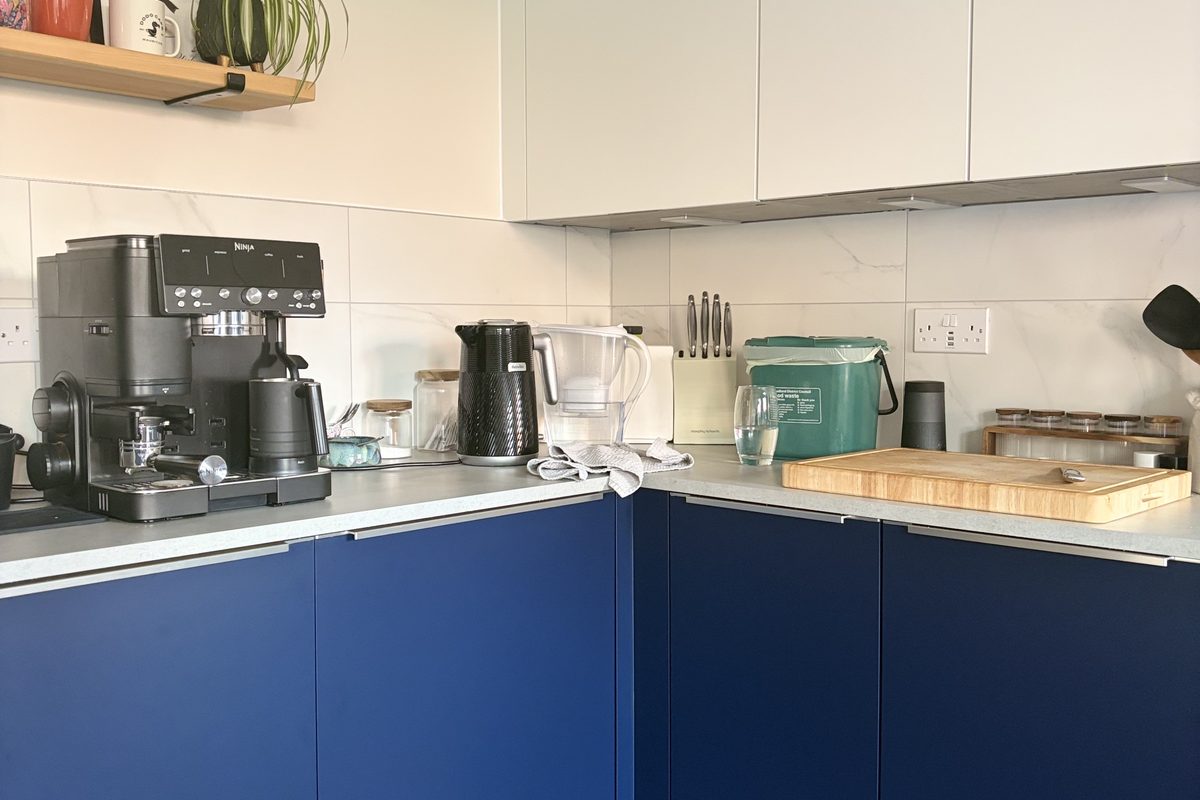
No. The cabinet, door or panel underneath stays exactly where it is. Only the visible surface changes, so there is no old unit to dispose of and nothing sent to a skip as part of the work.
Being honest about this: most architectural films are PVC-based, and PVC film is not widely accepted through standard recycling routes once it eventually needs replacing, typically after well over a decade. The sustainability case for wrapping rests on what it avoids — the manufacture and disposal of an entire new cabinet, door or worktop — which is a far larger impact than the thin layer of film applied over it.
Our work
Areas covered
Commercial installation available nationwide.
Get started
Send photos of what needs refreshing. A fixed quote comes back within 24 to 48 hours, with the sustainability case set out alongside the cost.
Get a Free QuoteCall 01223 944335